Best Piano Learning Books for Beginners
The right piano learning books can accelerate progress for new players. This guide highlights five beginner‑friendly options that cover theory, technique, and practical songs. Each selection is suitable for self‑study or classroom use and comes from trusted publishers in the piano education field. Explore concise explanations, progressive exercises, and engaging repertoire to build a solid foundation in reading, rhythm, and hands‑on playing.
| Product | Brand | Core Focus | Notes |
|---|---|---|---|
| Piano Adventures Theory Book Level 1 | Faber Piano Adventures | Music theory and note reading | Pairs with Level 1 piano books |
| Alfred’s Basic Adult Piano Course: Lesson Book Level One | Alfred Music | Beginner technique and reading | Appropriate for adult learners |
| My First Piano Adventure: Lesson Book C | Faber Piano Adventures | Early staff and skips, piece repertoire | Kids‑oriented with online audio |
| Alfred’s Basic Piano Course Lesson Book Level 1A | Alfred Music | Structured lesson progression | Includes book & CD format |
| Accelerated Piano Adventures: Lesson Book 1 | Faber Piano Adventures | Older beginner basics, rhythm | International edition available |
Below are five carefully chosen titles that cover theory, technique, and enjoyable repertoire. Each entry includes a concise overview and practical notes to help you pick the best match for your goals and learning style.
Piano Adventures Theory Book Level 1

The Theory Book is designed to be used alongside the Level 1 piano method, focusing on standard notation, reading, and ear training. It guides beginners through essential elements of pitch, rhythm, and musical symbols in a clear, step‑by‑step format. The exercises align with the accompanying piano method books and reinforce practical application at the keyboard. This resource is especially helpful for students who want to build a solid theoretical foundation early in their studies.
Alfred’s Basic Adult Piano Course: Lesson Book Level One

This foundational lesson book introduces beginners to proper piano technique, C position, the grand staff, and basic chord concepts. It emphasizes a gradual approach to reading and hands‑on playing, with clear illustrations and practical exercises. The CD‑assisted training often found in this series provides an audio companion to reinforce rhythm and phrasing, making it a solid choice for adults seeking a structured, approachable path into piano study.
My First Piano Adventure: Lesson Book C
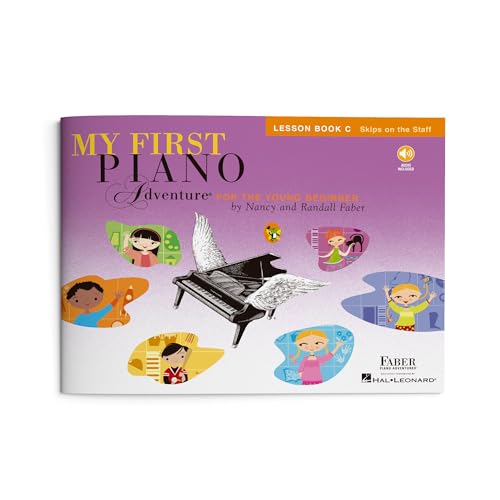
Lesson Book C is tailored for young beginners, focusing on early staff literacy and practical skills like skips. It includes engaging repertoire and reader‑friendly explanations to build confidence at the keyboard. The book is part of the broader Faber Piano Adventures series, which integrates technique, theory, and performance pieces to encourage steady progress across levels. Online audio resources help reinforce listening skills and tempo control.
Alfred’s Basic Piano Course Level 1A

Level 1A continues the Alfred Basic sequence with a clear progression from introductory concepts to more practical piano technique. The Book & CD format offers a multimedia approach that blends print material with listening examples. Its kid‑friendly presentation makes it an accessible option for younger beginners and families seeking a structured, familiar curriculum that gradually introduces chords, rhythm, and reading skills.
Accelerated Piano Adventures: Lesson Book 1

Accelerated Piano Adventures Lesson Book 1 targets older beginners with a slightly faster pace, yet still emphasizes rhythm fundamentals and a solid grasp of the grand staff. The method supports expressive playing and technique development, making it suitable for students who want to move through material efficiently while maintaining clear musicality. The publisher’s approach aligns theory with practical performance, helping learners connect reading with real‑world playing.
The Legend Of Zelda For Easy Piano: Easy Piano Solos

Though not a traditional method book, this collection provides approachable arrangements of popular tunes, offering motivational repertoire for early pianists. It can complement a structured curriculum by giving learners a sense of accomplishment through recognizable melodies while reinforcing basic sight‑reading and finger movement. The book is described as a used option in good condition, which may appeal to budget‑mensitive shoppers looking for practical, engaging material.
John W. Schaum Piano Course: Pre‑A The Green Book

The Green Book from the John W. Schaum Piano Course puts a foundational emphasis on early reading and basic technique. Its approachable layout and progressive exercises help beginners establish correct hand position, simple melodies, and a sense of musical phrasing. As part of a long‑running instructional series, it is well suited for students who appreciate a traditional, classroom‑style progression through essential skills.
Piano Adventures: Technique And Artistry Book Level 1

This book focuses on expressive playing and finger technique, bridging the gap between basic mechanics and musical interpretation. It complements the Level 1 method with exercises designed to develop touch, dynamics, and artistry at the piano. This resource is part of the broader Faber Piano Adventures line, which integrates technique, theory, and repertoire to support a well‑rounded beginner journey.
Buying Guide: Key Purchase Considerations
- Learning style: Choose a sequence that matches whether you prefer a theory‑oriented approach, a method‑based progression, or engaging repertoire to build motivation.
- Age suitability: Some titles are designed specifically for kids, while others are more appropriate for adults or older beginners. Consider the student’s age and reading readiness.
- Format and extras: Look for books that include audio CDs or online audio, which can aid rhythm and pitch development. Some sets pair with accompanying lesson books for a cohesive curriculum.
- Progression and consistency: Pick a series with clear level labeling and a logical progression to minimize gaps in foundational skills such as note reading, rhythm, and technique.
- Publisher reputation: Established publishers like Faber, Alfred, and the Alfred family of products are known for structured curricula and durable print quality.
- Budget and availability: Older or used copies may offer value; consider whether you want new editions with updated exercises or cost‑effective used options.
- Repertoire balance: A mix of theory, technique, and familiar tunes can help sustain interest while ensuring comprehensive skill development.
- Learning goals: If the objective is to perform classical pieces, prioritize technique and reading; if it’s for casual playing, repertoire‑heavy guides may be preferable.