Best Science Reading and Study Workbooks for Students
Parents and educators seeking practical, readable science workbooks can boost comprehension and retention with curated selections that align to standards and classroom needs. The following 5 titles offer structured practice across physical, earth, space, and life sciences, along with clear vocabulary support and relevant activities for grades 3 through 8. Use these resources to reinforce concepts at home, in tutoring sessions, or as classroom supplements.
Summary of selected products
| Product | Grade Range | Focus |
|---|---|---|
| Mark Twain General Science Workbook | Grades 5-8 | Solar system, weather, energy, biology |
| Spectrum 8th Grade Science Workbook | Grade 8 | Natural, earth, life science |
| Carson Dellosa Biology Workbook | Grades 6-12 | Biology concepts, vocabulary, activities |
| Evan-Moor Daily Science | Grade 3 | Earth, life, physical science; vocabulary |
| Summer Bridge Activities (Science Focus) | Grades 3-4 | Science, math, reading comprehension |
Mark Twain Grades 5-8 General Science Workbook

The Mark Twain General Science Workbook for grades 5-8 provides practice across physical, earth, space, and life sciences. It aligns with NSE standards and emphasizes reinforcement of core concepts through varied activities. The workbook is designed for classroom use or homeschooling, enabling teachers and parents to extend lessons with targeted problem sets that reinforce vocabulary and concept retention. The volume format supports sequential progression, making it suitable for unit- or chapter-based study plans.
Key features include clear exercise prompts, teacher-ready sections for feedback, and a structured path through essential science topics. This workbook can serve as a reliable add-on to a primary curriculum, helping students build confidence with interdisciplinary science tasks while integrating literacy through science reading and writing prompts.
Spectrum 8th Grade Science Workbook

Spectrum’s 8th Grade Science Workbook is built around current state standards and blends natural, earth, and life sciences. Its 176-page format offers a variety of activities, including research prompts designed to boost science literacy. This workbook is well suited for students who benefit from a structured, standards-driven approach with explicit sections for inquiry, observation, and analysis, as well as plenty of review opportunities to reinforce key concepts before assessments.
What makes Spectrum helpful is its balance of factual content and applied tasks. Students can progress at their own pace, building confidence as they connect scientific facts with real-world contexts. The workbook can also support tutoring or after-school programs seeking a cohesive, standards-aligned resource for middle school science.
Carson Dellosa The 100 Series: Biology Workbook
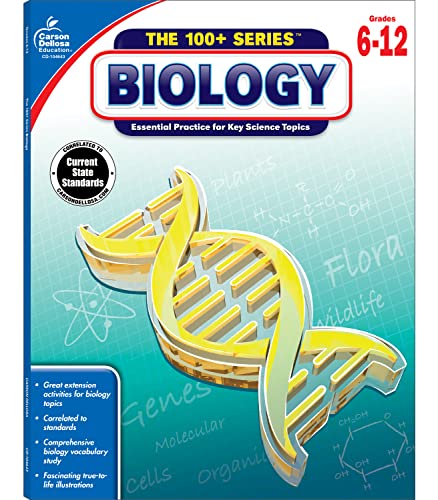
The Carson Dellosa Biology Workbook centers on core biology topics, including matter, atoms, cells, genetics, elements, and bonds, with activities designed for grades 6-12. It provides comprehensive vocabulary study and standards-aligned practice, making it a strong choice for students who need structured reinforcement in biology concepts. The workbook lends itself to both classroom use and homeschooling, offering a ready-to-go set of exercises that supplement typical science curricula.
Educators can leverage its extension activities to deepen understanding of laboratory terminology, experimental design, and scientific terminology. The included practice helps students build a robust vocabulary foundation, which supports reading comprehension and concept mastery in biology-related texts and materials.
Evan-Moor Daily Science, Grade 3

Evan-Moor’s Daily Science workbook for Grade 3 combines earth, life, and physical science topics with vocabulary work and practical activities. This resource is ideal for introducing younger students to scientific inquiry, basic experiment concepts, and cross-disciplinary literacy. The workbook emphasizes accessible writing prompts and hands-on projects that align to typical elementary science standards, helping to build foundational scientific thinking in a manageable, regular practice format.
Teachers and parents can use the daily format to support consistent study habits, reinforce terminology, and provide a gentle progression into more complex concepts later in middle school science curricula.
Summer Bridge Activities: Science Focus (Grades 3-4)

Summer Bridge Activities combines math, reading comprehension, science, and writing practice to prevent summer learning loss. The Grade 3-4 edition includes science-focused exercises that extend the school year’s learning into the summer months, helping students maintain momentum. Short daily activities help reinforce vocabulary, problem-solving, and scientific observation skills without overwhelming young learners.
Ideal for families seeking low-pressure, consistent review, this workbook supports readiness for the next grade level by providing manageable practice in a structured format. It also serves as a friendly bridge for students transitioning from elementary to middle school science concepts.
Buying Guide: Key Purchase Considerations and Comparisons
- Target grade and alignment: Choose resources that align with your student’s current grade and the science domains you want to emphasize (physical, earth, space, life sciences). Consider whether the book emphasizes vocabulary, reading comprehension, or hands-on activities.
- Scope and depth: If you need broad coverage, look for multi-topic workbooks (like the Mark Twain or Spectrum titles). For targeted biology emphasis, a dedicated biology workbook (like Carson Dellosa) may be preferable.
- Structure and pacing: Decide whether a daily practice format, a unit-based approach, or a variety of short activities best fits your child’s learning style and schedule.
- Supplemental vs. core: Treat these as supplements to your main curriculum. In some cases, you may want a single resource that can stand in for a portion of standard instruction; in others, use them to reinforce specific topics.
- Reader level and accessibility: Look for clear language and glossaries to support learners who need extra reading scaffolds. Visual aids, diagrams, and vocabulary boxes can improve comprehension for diverse learners.
- Assessment opportunities: Some workbooks include review sections or self-checks. Gauge whether you need additional assessment tools to monitor progress over time.
- Format compatibility: Consider whether print-friendly layouts and workbook-size pages fit your homeschooling or classroom setup. Some titles include answer keys or teacher guides to aid instruction.
- Durability and value: For homeschooling families or tutoring centers, a durable workbook with multiple uses may offer better long-term value, especially for repeated practice across topics.