Best Learn-to-Paint Books for Beginners: Top Guides to Start Art With Confidence
Whether you’re picking up a brush for the first time or returning to painting after a break, the right guide can make all the difference. This article highlights five beginner-friendly books that cover drawing and painting across popular mediums, with practical techniques, step-by-step instructions, and clear projects. Each selection emphasizes foundational skills, approachable projects, and hands-on practice to help new artists build confidence and develop a personal style.
Summary of Selected Products
| Product | Brand | Medium | Notes |
|---|---|---|---|
| Drawing for the Absolute Beginner: A Clear & Easy Guide to Successful Drawing | Penguin | Drawing | Foundational drawing techniques for realism |
| Lee Hammond’s Big Book of Acrylic Painting: Fast, easy techniques for painting your favorite subjects | Penguin | Acrylic | Biggest collection of beginner-friendly acrylic methods |
| Everyday Watercolor: Learn to Paint Watercolor in 30 Days | Watson-Guptill | Watercolor | Structured month-by-month fundamentals |
| Painting with Bob Ross: Learn to paint in oil step by step! | Walter Foster Publishing | Oil | Iconic techniques demonstrated in simple steps |
| Walter Foster How to Draw & Paint Flowers Book | Walter Foster Publishing | Drawing/Floral | Floral subjects with pencil and shading tips |
Drawing For The Absolute Beginner: Clear & Easy Drawing Guide

This introductory guide aims to simplify drawing with approachable exercises, focusing on realism and enjoyment. Authored by Mark and Mary Willenbrink, it breaks down basic forms, shading, and composition to help beginners gain confidence quickly. The book emphasizes practice and steady progress, making it a solid foundation resource for aspiring artists.
Lee Hammond’s Big Book Of Acrylic Painting

North Light Books’ large-format acrylic guide compiles fast, easy techniques for painting popular subjects. It caters to beginners by presenting simple color mixing, brushwork, and layering methods to produce engaging acrylic pieces. The book is structured for practical application and ongoing practice, helping learners translate ideas into finished paintings.
Everyday Watercolor: Learn To Paint Watercolor In 30 Days
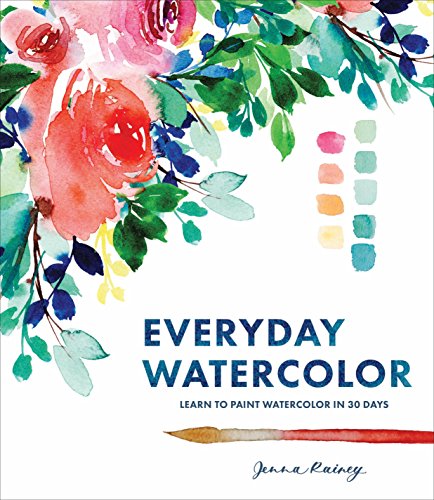
This watercolor guide divides learning into a 30-day program, emphasizing fundamental techniques such as washes, color mixing, and layering. The structure supports steady progression, with daily exercises designed to build habits and improve control over water-based paints. It’s well-suited for readers who want clear milestones and approachable projects.
Painting With Bob Ross: Learn To Paint In Oil Step By Step

Bob Ross’s method is presented in a step-by-step format that guides beginners through oil painting projects with calming, approachable demonstrations. While rooted in landscape subjects, the book covers practical oil techniques such as blending, glazing, and layering, helping new painters develop consistency and confidence.
Walter Foster How To Draw & Paint Flowers

This flower-focused guide blends pencil drawing with painting techniques to render blossoms and foliage. It covers material selection, shading with pencil, and step-by-step methods for developing floral art from sketch to finished piece. The book also introduces effects and materials that help reproduce texture and depth in botanical subjects.
Buying Guide: Key Considerations For Choosing A Learn-To-Paint Book
- Medium focus: Identify whether you want to start with drawing, watercolor, acrylic, or oil. Some guides mix media, while others specialize.
- Skill progression: Look for a clear path from basic shapes to finished pieces, with structured lessons and practice prompts.
- Project variety: A good beginner book offers diverse subjects (landscapes, still life, portraits) to build well-rounded skills.
- Techniques explained simply: Seek books that break down techniques into small, repeatable steps with visuals or diagrams.
- Material guidance: Prefer guides that discuss brush types, paper choices, paints, and mixing strategies appropriate for beginners.
- Practice-friendly layout: Books with exercises, checklists, and vignette projects help reinforce learning and track progress.
- Medium-specific tips: For watercolor, look for guidance on water control and bleed; for acrylics and oils, focus on drying times and layering.
- Author credibility: Authors with teaching experience or illustration portfolios can offer clearer, more actionable instructions.
- Longevity of content: Some books include online resources or printable practice sheets—consider whether extra materials add value for you.
Choosing between these options depends on your preferred medium, learning style, and goals. For a broad skill foundation, a combination that includes drawing and multiple painting methods can provide the best long-term payoff. Evaluate sample pages or reader reviews to gauge clarity and pace before purchasing.