Best Jazz Music Theory Books for Improvisation and Harmony
For musicians aiming to deepen jazz understanding, a solid theory foundation is essential. This article highlights five premier jazz theory books that cover harmony, improvisation, composition, and practical keyboard or ensemble applications. Each title offers a unique angle—from traditional jazz theory to modern Berklee approaches—helping players of all levels build the skills needed to navigate complex chord progressions, scales, and voicings.
| Title | Author/Publisher | Format |
|---|---|---|
| The Jazz Theory Book | Sher Music Co | Book |
| Contemporary Music Theory – Level One | Mark Harrison / Hal Leonard | Book |
| Jazz Composition Theory and Practice | Berklee Press Publications | Book + Online Audio |
| The Berklee Book of Jazz Harmony | Berklee Press Publications | Book + Online Audio |
| The Jazz Piano Book | Sher Music Co | Book |
The Jazz Theory Book — Core Jazz Harmony and Voice Leading
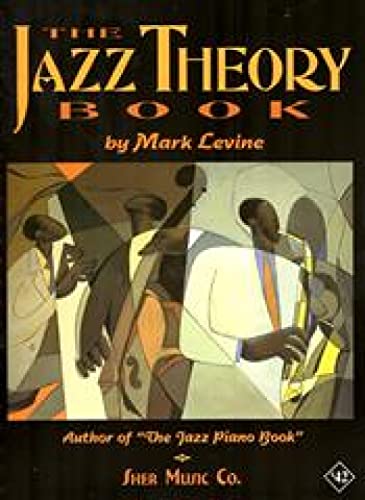
This foundational work surveys essential jazz theory concepts with clarity and depth. It emphasizes harmony, scale relationships, chord voicings, improvisational ideas, and voice-leading techniques that underpin modern jazz. Suitable for dedicated students and professionals, the book blends theoretical frameworks with practical examples that apply to ensemble settings as well as solo performance. The structured progression makes it a staple for both self-study and classroom use, helping readers connect theoretical concepts to real-world playing.
Contemporary Music Theory — Level One

Produced by Hal Leonard, this Level One guide focuses on instrumentation and practical theory for modern players, with an emphasis on pop and jazz contexts. It covers notation, scales, intervals, chords, and progressions, presenting concepts in approachable lessons. While designed for all instruments, the content is particularly relevant to guitarists and keyboardists who translate theory into improvisation and accompaniment. The approach supports incremental learning, pairing visual explanations with exercises that reinforce reading and harmonic understanding.
Jazz Composition Theory and Practice
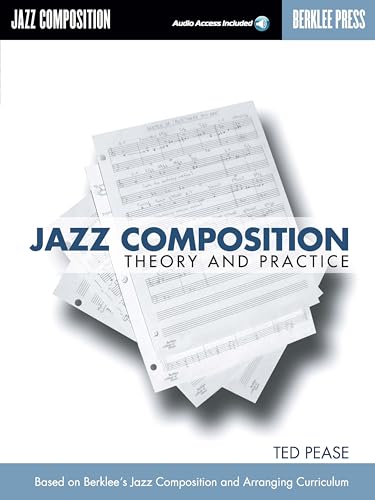
This Berklee Press title blends theory with composition techniques and practical exercises. It guides readers through jazz song form, melody writing, harmonic vigor, and arranging principles. The accompanying online audio enriches understanding by providing concrete listening references and examples to analyze, emulate, and adapt. The comprehensive scope makes it suitable for students, educators, and working musicians seeking a structured path from concept to crafted jazz works across ensembles and solo settings.
The Berklee Book of Jazz Harmony

Focusing on chord progressions, voice-leading, and functional harmony within jazz idioms, this Berklee Press title provides a practical framework for improvisers and composers. The book includes online audio resources that demonstrate progressions and voicings in real-time. It appeals to players who want to internalize jazz harmony concepts across instruments, with exercises designed to reinforce reading, analysis, and application in performance settings. Students and educators alike benefit from the explicit connections between theory and practical jazz practice.
The Jazz Piano Book

Designed for pianists, this classic by Sher Music Co. covers jazz piano vocabulary, voicings, comping, improvisation concepts, and repertoire ideas. While it takes a broad approach suitable for intermediate players, its practical exercises and explanations help build a strong technical foundation for keyboard-based jazz performance. The book’s emphasis on hands-on application makes complex ideas more approachable for students transitioning from theory to real-world piano playing and ensemble interaction.
Buying Guide: Key Purchase Considerations
- Scope and depth: Choose a title that matches your current level and goals—harmony-focused books for deep theoretical work, or composition-oriented guides for arranging and writing.
- Practical application: Look for resources that pair theory with audio examples, exercises, and play-along material to translate concepts into real performance.
- Instrumentation compatibility: If you primarily play piano, guitar, or other instruments, pick books that explicitly address your instrument or offer instrument-agnostic guidance.
- Supplemental resources: Always check for online audio or downloadable content. These additions reinforce listening and improvisation skills critical to jazz mastery.
- Progression and pedagogy: Opt for titles with clear progression from fundamentals to advanced topics, useful for self-study or classroom use.
- Edition quality and audience: Some books target academic study; others are more hands-on and practical for performers. Consider your preferred learning style.
In pursuing jazz theory, readers often combine multiple sources to cover harmony, improvisation, and composition. The selected titles above collectively address harmony, chord progressions, voice-leading, and practical performance approaches across different instruments. By pairing theory with listening and practice, players can develop a well-rounded understanding that translates to improvisation, arrangement, and performance in modern jazz contexts.