Best Human Anatomy Homeschool Curriculum Picks for Hands-on Learning
Exploring the human body is a foundational part of any anatomy-focused homeschool program. The right curriculum blends visual aids, tactile models, and structured activities to build lasting understanding. Below is a curated list of five practical products that align with a comprehensive human anatomy curriculum, ranging from large, colorful posters to interactive, hands-on models and workbook resources. This selection supports visual learners, kinesthetic learners, and traditional readers alike.
| Product | Brand | Key Focus |
|---|---|---|
| 14Pcs Human Anatomy Posters Educational Learn Body Parts | gisgfim | Posters of brain, teeth, digestive system, heart, organs, cells |
| NUHICO This is Me! Extra Large Felt Anatomy Set | NUHICO | 30 detachable organs and bones, Velcro attachment |
| Be Amazing! Toys Interactive Human Body | Be Amazing! Toys | Fully poseable 3D anatomy model with muscles and organs |
| Carson Dellosa The 100 Series: Biology Workbook | Carson Dellosa Education | Biology vocabulary, standards-aligned activities |
| Freebear Montessori Busy Book: Human Body | Freebear | 15 pages with 5 body-themed activities and a skeleton toy |
14Pcs Anatomy Posters For Classroom Or Home

The 14 poster set covers essential anatomy topics such as the brain, teeth, digestive system, lungs, skeleton, muscular system, heart, urinary system, and cells. Each poster uses bright colors and clear fonts to help learners quickly identify organs, bones, and muscles. The set includes two sheets of adhesive dots, making it easy to display in a classroom or learning space. The posters are single-sided with a waterproof coating to prevent fading during long-term use.
NUHICO This is Me! Extra Large Felt Anatomy Set

This extra-large felt anatomy model stands about 35.4 inches tall and includes 30 detachable organs and bones. The pieces are Velcro-attached, enabling kids to explore anatomy in a hands-on way. The set is designed to be safe for children ages 3 and up and is suitable for homeschooling, classroom science, and Montessori-style activities.
Be Amazing! Interactive Human Body
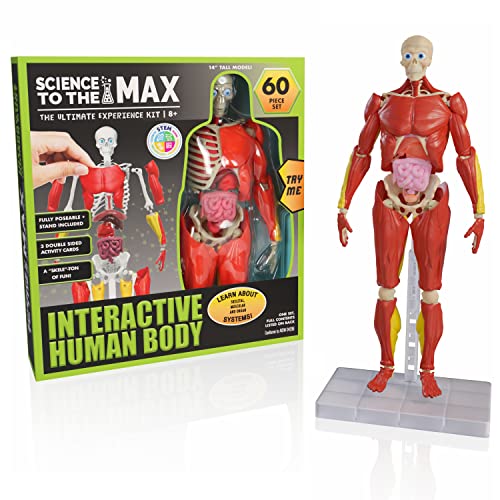
This 60-piece kit features a 14-inch tall fully articulated 3D body model with removable muscles, organs, and bones. The set includes an adjustable stand and a range of components to assemble and disassemble, offering a tactile, assembly-based learning approach. It supports kinesthetic learners and helps illustrate movement and placement of anatomical parts in a classroom or home setting.
Carson Dellosa The 100 Series: Biology Workbook
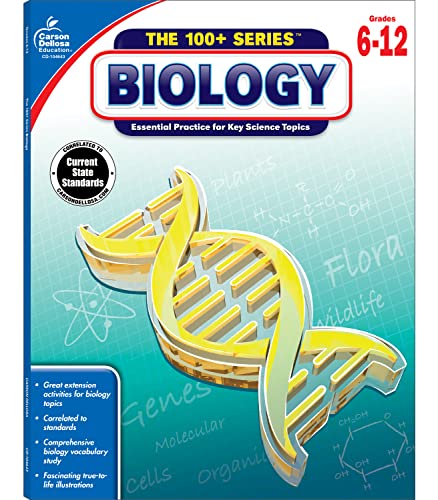
This workbook aligns with science standards and provides comprehensive biology vocabulary and practice activities. It serves as a structured supplement to a hands-on curriculum, reinforcing key terms and concepts across topics like matter, cells, genetics, and elements. It’s a practical resource for independent study or guided lessons within a homeschool program.
Freebear Montessori Busy Book: Human Body
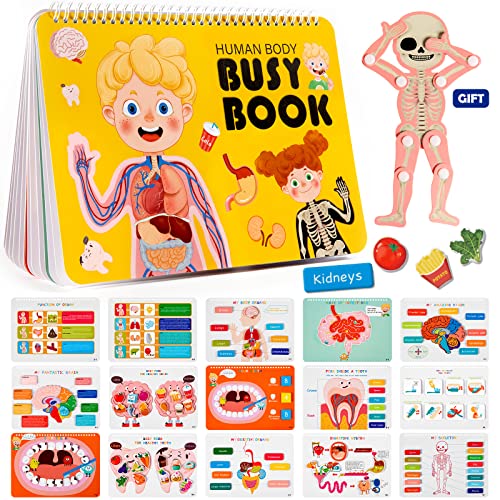
This preschool-leaning busy book introduces the human body through interactive activities and visuals. With 15 pages and five themes, the book pairs informational content with a skeleton toy to encourage touch-based exploration. It supports early exposure to anatomy concepts while developing fine motor skills and cognitive associations in a homeschool setting.
Buying Guide: Key Purchase Considerations
- Learning style compatibility: Choose a mix of visual posters, hands-on models, and workbook activities to accommodate visual, kinesthetic, and reading learners.
- Age appropriateness: Age ranges vary from toddlers to middle-schoolers. Align products with your current curriculum level and target goals.
- Durability and durability claims: For classroom or busy homeschool environments, look for sturdy materials, tear resistance, and coatings that preserve color and readability over time.
- Hands-on engagement: Models with detachable parts and interactive features support deeper understanding of anatomy through manipulation and exploration.
- Safety standards: Verify age-appropriate materials and safety certifications, especially for younger children.
- Curriculum alignment: Consider how each item complements core topics like cells, organs, systems, genetics, and human biology vocabulary.
- Space and display needs: Posters require wall space, while models and books need storage and handling space in the learning area.
- Assessment support: Workbooks and activity sheets can provide structured practice and measurable progress checks.
- Budget and longevity: Invest in a mix of durable, reusable resources to maximize long-term value for multiple cohorts of learners.
- Expansion potential: Look for items that can be integrated with other science topics (e.g., physiology, systems biology, or health sciences) for ongoing use.