Best Frank Sinatra Piano Sheet Music for Easy Learning and Play-Along
If you’re looking to play classic Frank Sinatra tunes on the piano, these sheet music collections are designed for players across skill levels. The top picks focus on easy piano arrangements, complete songbooks, and play-along formats to help you practice with confidence. Great for casual players, teachers, and aspiring performers alike, these options cover simple melodies, authentic arrangements, and extensive song catalogs.
| Product | Format | Pages | Instrumentation | Best For |
|---|---|---|---|---|
| Frank Sinatra – Greatest Hits | Easy Piano Songbook with Lyrics | Easy Piano | 80 | Piano/Keyboard | Beginner to intermediate players seeking lyric-inclusive versions |
| Frank Sinatra – Centennial Songbook | P/V/G | 392 | Piano/Vocal/Guitar | Comprehensive collection for multi-voice arrangements |
| Frank Sinatra – Popular Hits: Piano Play-Along Volume 44 | Book/CD Pack | 32 | Piano/Vocal/Guitar | Play-along practice with audio backing |
| REALLY EASY PIANO: FRANK SINATRA | New | — | New | Very beginner-friendly option with focus on ease |
| First 50 Popular Songs You Should Play on Piano | Piano Songbook | 210 | Piano | Broad beginner-to-intermediate sampler of classics |
Below are five carefully chosen titles that align with various playing goals. Each entry includes who it’s best for, why it stands out, and a practical note to help you decide which to buy.
Frank Sinatra Greatest Hits Easy Piano Songbook
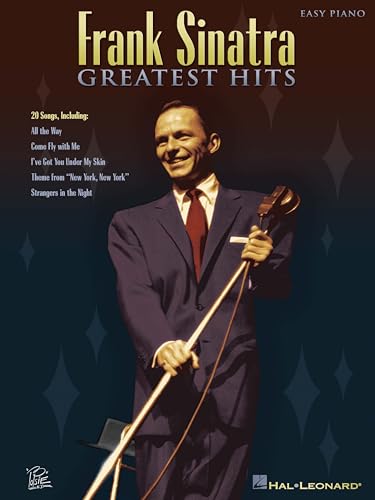
This Hal Leonard collection focuses on easy piano arrangements while including song lyrics. It’s best for beginners who want familiar titles such as New York, New York and My Way, and for players who value lyric-included sheets for sing-along practice. The 80-page book balances approachable melodies with enough content to stay engaging over weeks of practice. A practical pick for classroom use or home study where cue lines help with rhythm and phrasing. Caution: some songs may simplify complex sections for early players.
Frank Sinatra Centennial Songbook

This extensive Hal Leonard collection is a multi-voice songbook covering piano, vocal, and guitar arrangements. With 392 pages, it’s best for dedicated players who want a wide archive of Sinatra classics across eras. The P/V/G format supports ensemble practice and performance preparation, making it ideal for full-band rehearsals or serious soloists who study lyric lines and harmony. Limitation: the large volume may be more than needed for casual players seeking a handful of favorites.
Frank Sinatra Popular Hits Play-Along
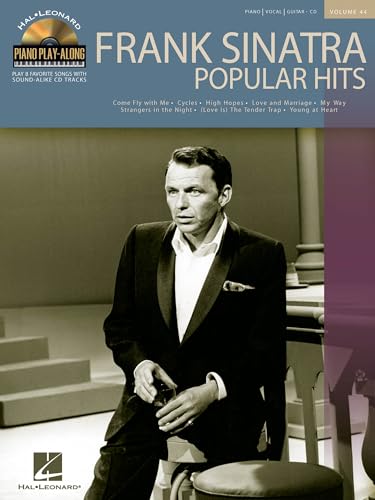
This Hal Leonard collection combines songs with a CD for play-along practice. It’s best for players who want a guided tempo and accompaniment to improve timing and groove. The 32-page format is compact and portable, making it a practical on-the-go option for students and teachers. Caution: the shorter booklet means fewer titles per session, so plan multiple practice sets to cover more material.
Really Easy Piano: Frank Sinatra

This title from MUSIC SALES LTD emphasizes a very beginner-friendly approach with simplified arrangements. It’s best for absolute beginners, or players who want to build confidence with straightforward melodies and limited left-hand complexity. A clear advantage is ease of use and immediate playable results. Limitation: simplified arrangements may omit tricky jazz voicings that more advanced players seek for authentic Sinatra nuance.
First 50 Popular Songs You Should Play on Piano

This Hal Leonard compendium provides a broad cross-section of classics, including pop, jazz, and Broadway, making it an excellent starter library for learners who want exposure to different styles. The 210-page book offers a balanced mix of beginner-to-intermediate pieces, which is ideal for ongoing practice without frequent changes of book. Caution: not all Sinatra titles may be featured, so supplement with specific Sinatra songbooks if your goal centers on his catalog.
Buying Guide: Key Purchase Considerations
What format suits your practice style best? A lyric-inclusive easy piano book helps with vocal performance, while play-along editions support rhythm and timing. For serious Sinatra study, a large P/V/G songbook provides arrangements for voice and guitar accompaniment. If you’re new to piano, start with really easy or beginner-focused titles before tackling mid-level collections.
How important is the song catalog size? Larger songbooks offer more choices and long-term value but can be overwhelming. Choose a catalog aligned with your long-term goals—play along now, or build a library for weekly practice sessions.
Can you use these books for teaching? Yes. Materials with clear arrangements, lyric cues, and optional play-along tracks are especially helpful for student engagement and class structure. Look for editions labeled as “Piano Play-Along” or “P/V/G” for flexible teaching setups.
How do you assess the difficulty level? Easy piano editions typically simplify melodies and left-hand patterns. If you want authentic jazz voicings and richer harmony, consider larger songbooks with standard arrangements, or multi-voice formats that include piano and guitar parts.
What about performance needs? If you’re preparing a recital or gig, pick a collection that features reliable sheet music with clear notation and phrasing guidance. A play-along option can help you lock in tempo between songs and maintain a consistent style.
FAQ
- What is the best beginner Sinatra piano book? The Really Easy Piano: Frank Sinatra title targets absolute beginners with simple melodies and approachable keys.
- Which songbook has the most Sinatra songs? The Centennial Songbook offers a large, diverse catalog suitable for performers who want a wide range of Sinatra classics.
- Do play-along books require extra equipment? A compatible playback device or CD is needed for the Play-Along editions to use the accompaniment tracks.
- Are lyric-inclusive editions helpful for practice? Yes, lyrics help with vocal timing and phrasing, useful for singers and pianists learning melodies together.
- Can these books be used for teaching groups? Absolutely, especially P/V/G and play-along formats that support ensemble practice and group rhythm.