Best Children’s Korean Books and Language Toys for Early Learning
Discover engaging Korean-language books and interactive learning tools designed for young readers. This guide highlights five kid-friendly options that pair vibrant visuals with language-rich activities, helping children pick up Hangul, vocabulary, and cultural context through play.
Summary of selected products:
| Product | Brand | Type | Key Benefit |
|---|---|---|---|
| I Love to Sing in Korean: Animal Songs | Heritage Kids Press | Interactive Song Book | Vibrant illustrations with cultural themes |
| I Love to Sing in Korean: Korean Nursery Rhymes | Heritage Kids Press | Interactive Song Book | Language development through rhythm |
| New! Learn Korean for Kids, Momo Learns Korean Vol. 1 | Momo Learns Korean | Bilingual Board Book | Hangul basics and first words |
| I Love to Sing in Korean: Animal Songs | Heritage Kids Press | Interactive Song Book | Bright cultural visuals |
| New! Learn Korean for Kids, Momo Learns Korean Vol. 3 | Momo Learns Korean | Bilingual Board Book | Voice-led language exposure |
| Korean and English Talking Flash Cards for Toddlers | ANhovno | Flash Cards | Comprehensive bilingual vocabulary |
Note: This selection emphasizes books and toys that use Korean language content, interactive formats, and strong visuals to support early language development. Each item is chosen for its potential to engage American families seeking Korean-learning resources for kids.
I Love to Sing in Korean: Animal Songs
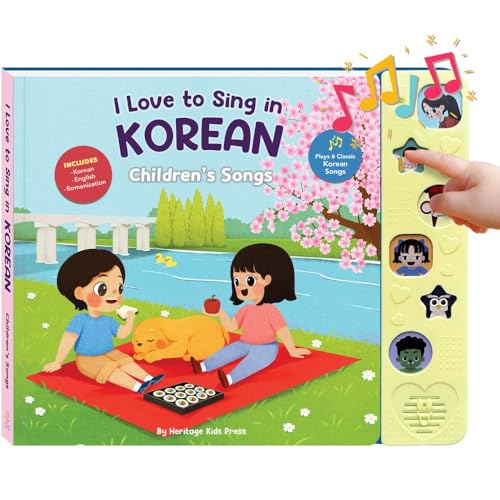
Heritage Kids Press offers an interactive song book that blends music with language learning. The format encourages children to imitate phrases and expressions through engaging animal-themed songs. Vibrant illustrations help connect language to culture, making early Korean vocabulary memorable. The book emphasizes rhythm and repetition, supporting vocabulary development in a playful setting. This option is particularly suitable for toddlers and preschoolers beginning Hangul exposure.
Key features: language-friendly songs, catchy tunes, and vivid visuals that introduce Korean culture. This product is designed to teach common phrases naturally, with emphasis on listening and speaking through music.
I Love to Sing in Korean: Korean Nursery Rhymes

This second Heritage Kids Press title provides another interactive experience with nursery rhymes. The blend of music and words supports early language acquisition, including common phrases and basic vocabulary. Colorful illustrations accompany the rhymes to reinforce memory and cultural understanding. The format is well-suited for shared reading and independent exploration by young readers exploring Korean sounds and rhythm.
Key features: playful language, vibrant artwork, and a focus on vocabulary expansion through song. The book is positioned as a strong tool for early language learning and cultural literacy.
New! Learn Korean for Kids, Momo Learns Korean Vol. 1

Momo Learns Korean Vol. 1 introduces Korean-English bilingual storytelling through a board book format ideal for babies and toddlers. The book emphasizes Hangul basics, first words, and simple songs, with batteries included for audio features and volume controls. The real-mom narration adds a natural, soothing voice, facilitating listening and memory. It’s designed as a practical language toolkit for young beginners and bilingual households.
Key features: bilingual exposure, audio songs, and durable board construction. This book supports vocabulary development and everyday Korean phrases in an approachable, kid-friendly way.
New! Learn Korean for Kids, Vol. 3

The third volume in the Momo Learns Korean series continues the bilingual approach with a fresh set of first words and songs. It maintains the high-quality audio experience and clear Hangul presentation, while expanding vocabulary with new themes suitable for toddlers and preschoolers. The book’s design supports interactive learning and family participation, reinforcing language exposure in everyday contexts.
Key features: continued Hangul practice, engaging audio, and expandable vocabulary. It serves as a complementary resource to Vol. 1 for ongoing language growth in early learners.
Korean and English Talking Flash Cards for Toddlers
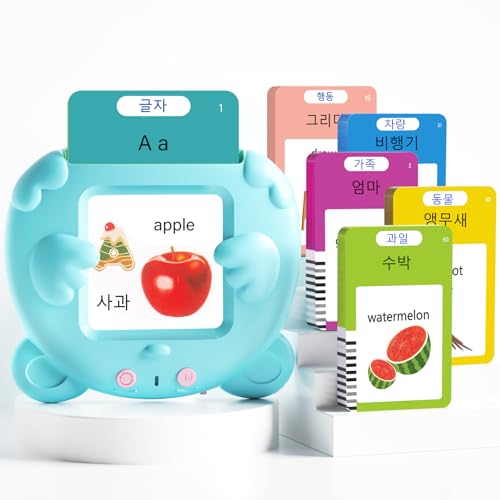
This bilingual flash card set offers a broader vocabulary across 31 learning topics with 255 double-sided cards. The cards feature Korean and English labels, helping children associate words with images and context. The upgraded version includes a dedicated Korean language function, supporting easy switching between languages. The Montessori-inspired design emphasizes hands-on, interactive learning and encourages independent exploration alongside guided activities.
Key features: large word count, bilingual labels, and interactive audio. This tool is especially useful for building foundational bilingual literacy and pronunciation in a structured, playful manner.
Buying Guide
- Age and language goals: Choose titles aligned with your child’s age, attention span, and readiness for Hangul characters, pronunciation, and simple phrases. For very young learners, audio-enabled books and sensory-rich visuals work best.
- Format and durability: Board books and sturdy picture books reduce wear for toddlers. Interactive songs and audio features can enhance memory, but check battery life and mute/options for quiet environments.
- Language approach: Bilingual books that alternate English and Korean support smoother transitions between languages. For immersive experiences, select songs and rhymes that emphasize rhythm and repetition.
- Visual and cultural emphasis: Rich, colorful illustrations help connect language to culture. Materials that showcase Korean culture provide context that strengthens comprehension and interest.
- Learning tools beyond reading: Flash cards and singing books offer different modalities. A mix of formats can address listening, speaking, and vocabulary development effectively.
- Practical considerations: Look for easy-to-use interfaces for audio features, age-appropriate word lists, and safe, non-toxic materials for younger children.
- Family involvement: Choose options that support caregiver participation, such as read-aloud prompts, repeatable songs, and activities that encourage daily language practice.