Best Books to Teach Reading for Beginners: A Practical Guide
Finding the right starting point for early readers can shape confidence and long-term literacy success. The following hand-picked selections are popular, well-reviewed, and designed to support phonics-based learning, letter sounds, and gradual reading progress. Each entry includes a brief look at why it helps new readers, plus practical notes on how to use it at home or in small-group settings.
Summary of chosen products:
| Product | Brand | Key Benefit | Format |
|---|---|---|---|
| Bob Books Set 1 | Scholastic | Structured phonics progression with easy-to-read text | Box set |
| Teach Your Child to Read in 100 Easy Lessons | Touchstone | Step-by-step guide for parent-led daily practice | Book & lesson plan |
| Lovevery Reading Skill Set Part 1 | Lovevery | Phonics-based games and books to reinforce skills | Games + books |
| Childrens Learn to Read Books Lot 60 | Scholastic | Broad range of early readers with structured levels | Book lot |
| Additional note: Hands-on practice | N/A | Varied practice formats | N/A |
Bob Books Set 1: Beginning Readers

The Bob Books Set 1 introduces beginning readers to sound-symbol correspondences with a carefully sequenced phonics approach. The text is intentionally simple and repetitive, allowing children to quickly recognize patterns and build fluency. This box set typically includes multiple short readers that incrementally increase in difficulty, supporting confidence as students move from decoding to meaningful reading. For parents, the set offers a concrete progression you can follow over several weeks, with clear expectations at each stage. Use in daily short sessions to maximize retention and minimize fatigue.
Key features include proper packaging for organization and easy-to-read text that supports early literacy goals. The structured layout helps caregivers track which book a child should attempt next, promoting a steady pace without overwhelming new readers. This format is particularly suitable for classroom centers or family Reading Time, where short, manageable steps foster a sense of achievement. While it emphasizes decoding skills, educators and parents should pair it with discussions about story meaning to deepen comprehension as confidence grows.
Teach Your Child to Read in 100 Easy Lessons
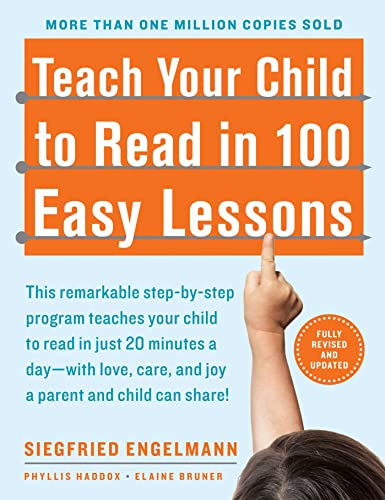
This revised edition offers a structured, parent-led program designed to guide children through the essential steps of learning to read. It emphasizes a routine of short, consistent lessons that build skills day by day, including phonemic awareness, letter sounds, blending, and simple words. The approach is systematic, with explicit instructions for caregivers on how to present each lesson. Readers can measure progress through incremental reading feats, making it a dependable choice for families seeking a tangible, time-tested method. The plan encourages repetition and practice to solidify foundational skills.
Accessible and straightforward, the book features a clear sequence, which helps reduce guesswork for parents who are new to teaching reading. While some readers may prefer more contemporary activity options, this classic guide remains a reliable backbone for early literacy development. Users should be mindful of maintaining a supportive, low-pressure environment to avoid frustration during challenging steps.
Lovevery Reading Skill Set Part 1

Lovevery’s Reading Skill Set Part 1 offers a tactile, screen-free approach to early reading. The program combines nine learning games with seven books designed to reinforce the skills children first encounter in phonics-based curricula. The games focus on isolating sounds, letter-sound relationships, and the early practice of spelling-like activities, all of which align with proven approaches to phonemic awareness. The included books provide practice opportunities that reinforce the skills introduced through the games, creating a layered learning experience that supports varied learning styles.
This program is particularly valuable for families seeking hands-on, interactive activities. The target age range covers pre-K to kindergarten, making it a versatile addition to a home learning kit or a classroom station. While the setup may require some initial planning to integrate the games into daily routines, the payoff is a more engaged learner who can transfer skills across reading tasks. For best results, rotate activities and maintain short, focused sessions to sustain motivation.
Children’s Learn to Read Books Lot 60
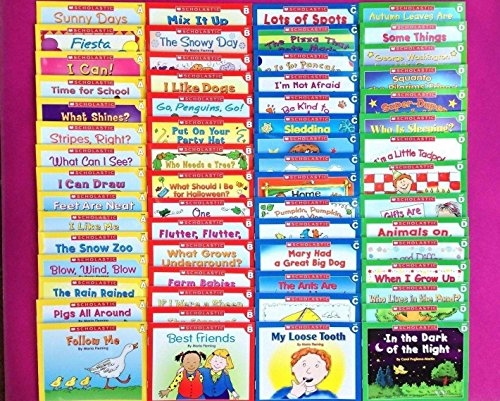
This lot brings together a broad spectrum of early readers across multiple levels (A, B, C, D), helping transition children from simple decodable texts to more complex sentence structures. Each 8-page reader is designed by a reading specialist with attention-grabbing black-and-white illustrations to focus attention on the print. The set’s wide range supports differentiated instruction, allowing teachers and parents to tailor choices to each child’s current proficiency. Regular practice with these materials can build fluency, as children encounter a variety of words and sentence patterns while maintaining a consistent decoding focus.
Because the collection spans 60 booklets, it’s ideal for small group work or a longer-term home program. While some books may feel basic to more advanced readers, the graded structure helps ensure that younger learners stay on track without skipping foundational steps. Teachers should pair these readers with explicit instruction on phonics, tracking progress and adjusting difficulty as needed to prevent frustration and promote continuous growth.
Buying Guide: Reading Readiness And Phonics
Phonics progression
Look for materials that introduce letter sounds before focusing on whole-word recognition. A logical sequence starts with single-letter phonemes, moves to simple blends, and gradually includes decodable words and short sentences. Repetition with variety helps solidify recognition and decoding skills.
Structured practice
Daily, short sessions (10-20 minutes) can yield meaningful gains. Choose a mix of decodable readers and interactive activities to sustain engagement. Ensure a consistent routine, with clear goals for each session to build confidence and reduce frustration.
Parental or caregiver guidance
Materials that include explicit instructions, lesson plans, or guided prompts are especially valuable for beginners. A predictable structure empowers caregivers to facilitate learning without guesswork, promoting effective modeling and feedback.
Engagement and age-appropriateness
Age-appropriate choices with appealing visuals and accessible text help maintain interest. Fall back on a combination of familiar favorites and new titles to broaden exposure to vocabulary and sentence structure while keeping sessions enjoyable.
Differentiation and scalability
For groups or households with varying reading levels, select resources that offer leveled readers, multiple entry points, and opportunities for extension. A mix of phonics-based and comprehension-focused activities supports well-rounded literacy development.