Best Second Grade Social Studies Textbooks and Resources for Classrooms
Finding the right second grade social studies materials helps students build foundational geography, civics, and cultural awareness. This article highlights five well-suited resources that align with common core and state standards, offering age-appropriate activities, engaging visuals, and reproducible content for classroom and home learning. Each pick provides different strengths, from structured daily practice to cultural pockets from history, giving teachers and families options to match instruction style and pacing.
Summary of selected products
| Product | Brand | Key Focus |
|---|---|---|
| Gallopade Second Grade Essentials for Social Studies Reproducible Book | GALLOPADE | Standards alignment; engaging activities |
| Evan-Moor Daily Geography Practice, Grade 2 | Evan-Moor Educational Publishers | Maps, geography skills, reproducible worksheets |
| Core Skills Social Studies, Grade 4 | HOUGHTON MIFFLIN HARCOURT | Foundational social studies skills (reader-friendly) |
| History Pockets: Native Americans, Grades 1-3 | Evan-Moor Educational Publishers | Indigenous culture pockets and context |
| Summer Bridge Activities 2nd to 3rd Grade | Summer Bridge Activities | Cross-curricular review and skill-building |
Gallopade Second Grade Essentials For Social Studies Reproducible Book

Gallopade’s Reproducible Book for second grade offers age-appropriate activities designed to meet essential state standards. The resource is structured to support social studies objectives with visually appealing layouts and approachable tasks that fit daily lesson plans. Teachers can leverage the reproducible pages to customize practice or create stations, while the content emphasizes key concepts in geography, communities, and civics without overwhelming early learners.
Evan-Moor Daily Geography Practice, Grade 2

This Daily Geography Practice workbook focuses on map-reading and geography skills suitable for second grade. The reproducible worksheets guide students through map keys, continents, oceans, and country basics, reinforcing spatial thinking and global awareness. The format supports independent practice and small-group instruction, making it a reliable companion to core social studies lessons and homeroom reviews.
Core Skills Social Studies, Grade 4

While labeled for grade 4, this Core Skills resource offers foundational routines and clear instruction that can benefit late-second-grade learners preparing for higher-level social studies. It emphasizes essential skills such as informational text comprehension and structured note-taking. For educators aiming to scaffold early civics and history concepts, this book provides a bridge between early geography-focused activities and more complex social studies content.
History Pockets: Native Americans, Grades 1-3

History Pockets offers a cultural context with a focus on Native American studies appropriate for early primary grades. The book presents a teacher-friendly background fact sheet that supports lesson planning and adds depth to classroom conversations about Indigenous cultures, communities, and daily life. This resource pairs well with hands-on activities and storytelling to build empathy and historical awareness in second graders.
Summer Bridge Activities 2nd to 3rd Grade
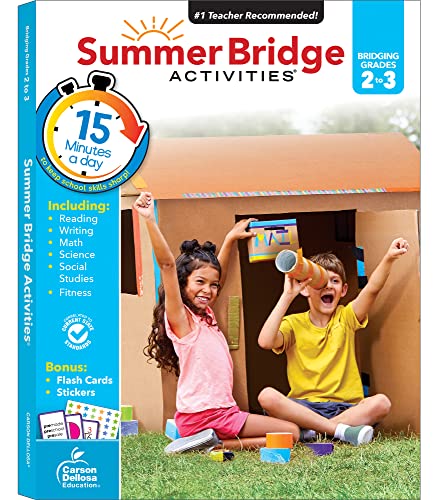
This multi-subject workbook is designed to prevent summer learning loss with quick daily activities. It combines language arts, math, science, and social studies into short exercises, making it a practical bridge between school years. For families and teachers, it supports consistent engagement and reinforces foundational knowledge during breaks or enrichment blocks.
Buying Guide: Key Considerations For Selecting A 2nd Grade Social Studies Text
Content goals: Determine whether you need geography focus, historical context, or civics basics. Some resources prioritize map skills and continents, while others emphasize cultural studies or reproducible practice pages.
Standards alignment: Look for materials aligned with your state standards or common core expectations to streamline lesson planning and ensure consistency across grade levels.
Student accessibility: Favor clear layouts, large visuals, and age-appropriate language. Reproducible pages help teachers differentiate instruction and create station activities.
Teacher resources: Consider teacher guides, background information, and ready-to-use activities that save planning time and support classroom management.
Engagement and visuals: Books with colorful illustrations, photos, and activities tend to sustain interest and support diverse learners, including reluctant readers.
Supplemental strength: If you already have core readers, choose materials that complement them—geography practice with Evan-Moor, cultural lessons with History Pockets, or standardized practice with Core Skills as needed.
Durability and format: Spiral-bound or durable workbooks with printable pages are practical for daily use and centers. Reproducible pages work well for station rotation and homework packs.
Cost and availability: Consider bundle options or teacher discounts. Digital or print formats can influence long-term affordability and ease of distribution in classrooms or homeschool settings.
Accessibility for homeschoolers: For at-home learning, prioritize resources with clear instructions, reproducible content, and independent activities that students can complete with minimal supervision.